
Manuel Barreiro is already an institution of ceramics in Compostela. He is an old ceramist friend who has been linked to the Sargadelos Seminary for more than twenty years. Today he has a work as a ceramist and is a sculptor of great care, as well as a master transmitter of these things, which the Seminary has been following attentively.
This ceramist is also a biologist, but he prefers to work in ceramics, and for this reason alone he has, for the man, in the life we were given, modified by the cultural teacher. Ceramics is not just another trade, created around the corner to make anything, but a whole destiny of man that is rooted in the geological reasons of his existence. It is something that is stigmatised in its knowledge, and it may be that man’s intelligence owes much to ceramics in its formation, learning to shape the earth to satisfy needs and then converting those shaped products into definitive matter.
Manuel Barreiro, ceramist, sculptor, biologist, who has already been doing a lot of experimentation of all kinds, brings us today these men of cut ceramics, which in itself has a sense of expression that is completed, to give it more strength, with the name he gives them of ‘Homiños’, not because they are relatively small pieces but because of the ethnic content of each one of these pieces.
Manuel Barreiro, “Paparolo”, is an expressionist. He wants to tell us something and we has. He wants to tell us something and we have to pay attention to listen, to understand the message he wants to transmit.
Díaz Pardo, April 1992, prologue to the exhibition at the Casa da Parra exhibition hall.
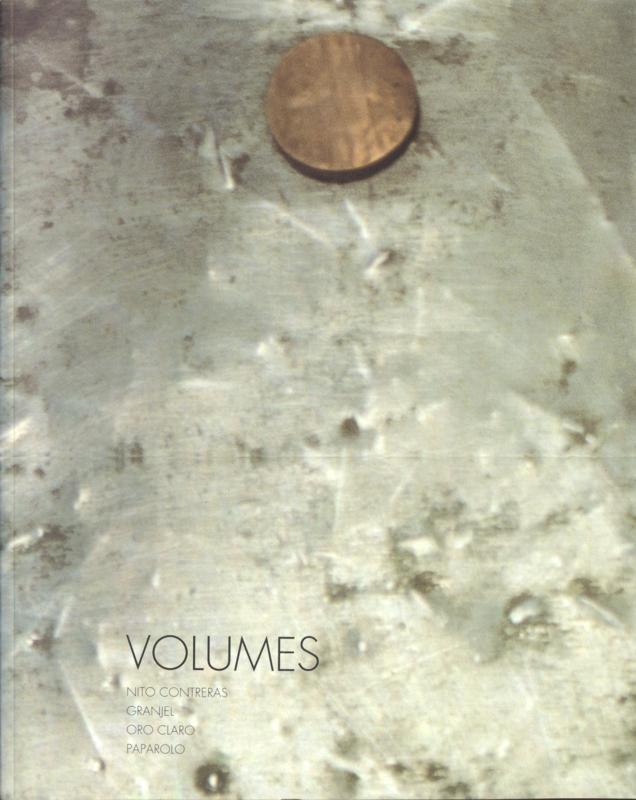
Manuel Barreiro is already an institution of ceramics in Compostela. He is an old ceramist friend who has been linked to the Sargadelos Seminary for more than twenty years. Today he has a work as a ceramist and is a sculptor of great care, as well as a master transmitter of these things, which the Seminary has been following attentively.
This ceramist is also a biologist, but he prefers to work in ceramics, and for this reason alone he has, for the man, in the life we were given, modified by the cultural teacher. Ceramics is not just another trade, created around the corner to make anything, but a whole destiny of man that is rooted in the geological reasons of his existence. It is something that is stigmatised in its knowledge, and it may be that man’s intelligence owes much to ceramics in its formation, learning to shape the earth to satisfy needs and then converting those shaped products into definitive matter.
Manuel Barreiro, ceramist, sculptor, biologist, who has already been doing a lot of experimentation of all kinds, brings us today these men of cut ceramics, which in itself has a sense of expression that is completed, to give it more strength, with the name he gives them of ‘Homiños’, not because they are relatively small pieces but because of the ethnic content of each one of these pieces.
Manuel Barreiro, “Paparolo”, is an expressionist. He wants to tell us something and we has. He wants to tell us something and we have to pay attention to listen, to understand the message he wants to transmit.
Díaz Pardo, April 1992, prologue to the exhibition at the Casa da Parra exhibition hall.